❋
LAND MANAGEMENT
What to Expect
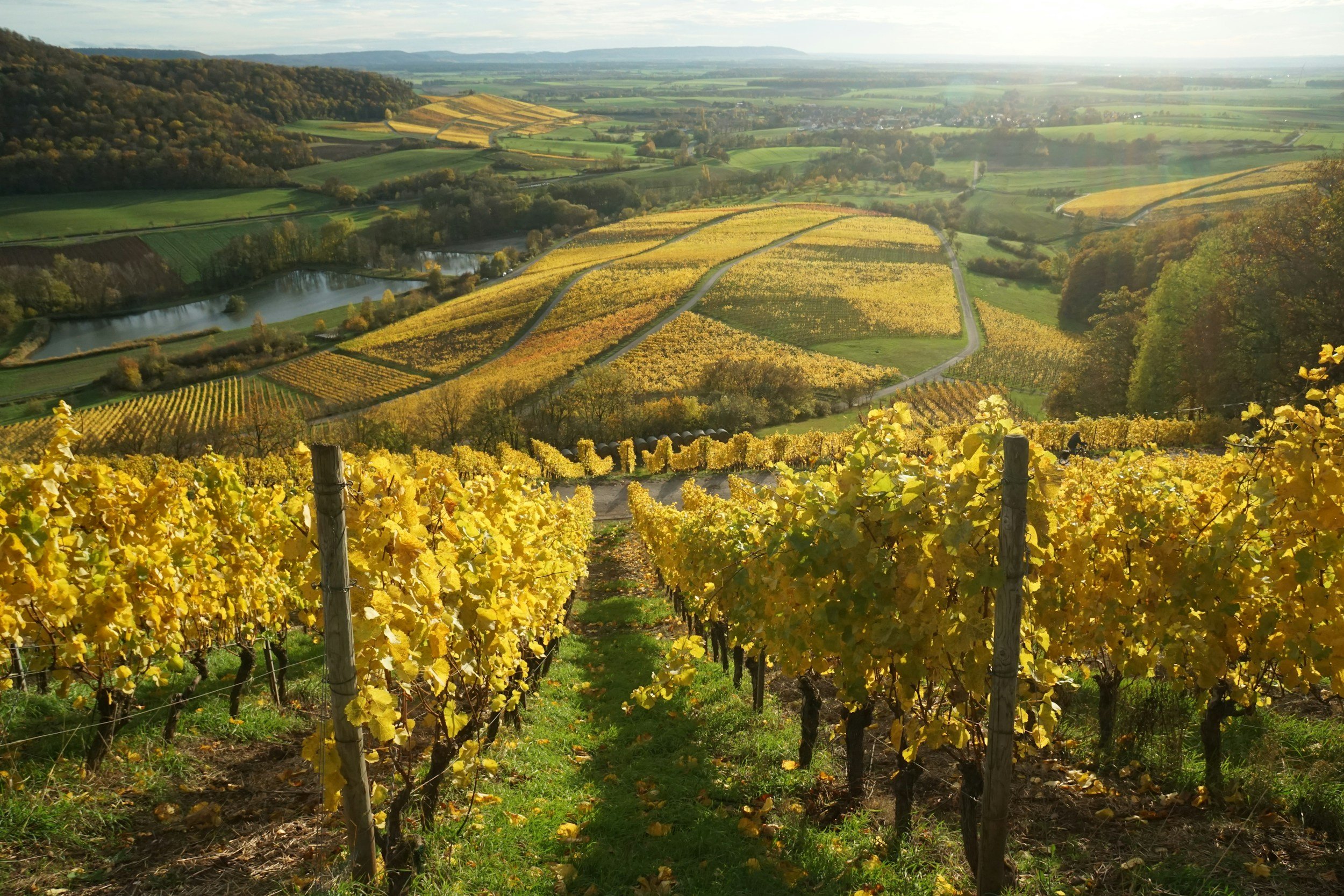
Land management is the thoughtful stewardship and planning of land to balance environmental health, productive use, and human needs. At its core it means caring for soil, water, vegetation, and wildlife while arranging how people live, work, and recreate on the landscape so that the land remains resilient and beneficial over time.
Key elements of land management:
Conservation and restoration: protecting native habitats, preventing erosion, restoring degraded ecosystems, and promoting biodiversity.
Sustainable use: managing agriculture, grazing, forestry, and recreation in ways that maintain long-term productivity without degrading resources.
Water management: capturing, storing, and distributing water responsibly; protecting watersheds and managing runoff to sustain ecosystems and human uses.
Soil health: building and maintaining fertile, well-structured soils through practices like cover cropping, reduced tillage, organic amendments, and erosion control.
Planning and zoning: setting land-use policies and designs that guide development, protect natural areas, and provide for public access and services.
Cultural and community values: recognizing traditional land uses, supporting local livelihoods, and integrating community goals into management decisions.
Monitoring and adaptive management: tracking outcomes, learning from results, and adjusting practices to respond to changing conditions such as climate shifts.